Finding a trustworthy technician for key fob programming near you can feel like hunting for a needle in a haystack. Below I explain the common programming methods, how technicians diagnose a problem, and what to look for when choosing between a shop and a mobile pro.
Why professional programming matters.
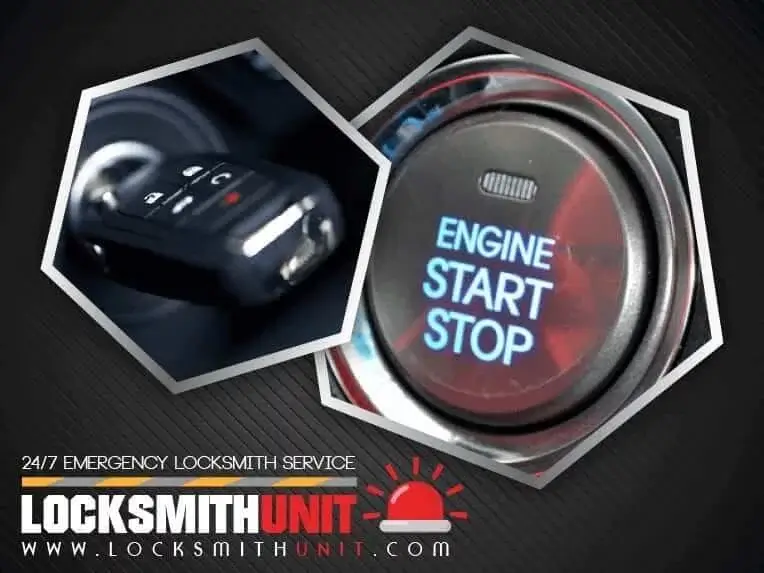
Cars moved rapidly from simple metal keys to electronic systems, and programming is now part of hardware replacement. Without proper programming the fob might open doors but fail to disarm the immobilizer, or it might not work at all. Technicians use manufacturer tools, aftermarket programmers, or a combination depending on the car and the task.
Typical reasons people call for key fob work.
Most calls happen because the owner lost a fob, bought a replacement online, or found a dead battery and then the fob stopped communicating. With zero originals, the process usually involves key cutting, pin code retrieval, and programming a new transponder so the vehicle starts. Adding a spare when you have an original fob is often the fastest and cheapest route since the tech can sync the new remote to the existing security profile.
Shop choices and their pros and cons.
Dealers offer brand-specific support and deep diagnostic access, but they charge more and often require appointments. If the car needs OEM-level intervention or ECU-level recoding, the dealer may be the only option, but for most transponder and remote setups a certified locksmith handles the job at lower cost. A good mobile technician carries a variety of remotes and programmers and will test before charging for parts, while a dealer typically forces you to buy OEM parts first.
What fair pricing looks like for programming.
Ask for an itemized estimate that shows remote cost, programming labor, https://rentry.co/rfcc9t5e and travel time rather than a single vague number. If a quoted price seems extremely low, ask what brand of remote they will use and whether the job includes retests or a satisfaction guarantee. Simple remote programming might run a modest flat fee in many markets, whereas smart key systems and module reprogramming typically cost more because of the extra time and tools.
Have the vehicle registration or title handy and a photo ID ready to confirm you are the owner, which most pros will require. Bringing any remaining working key or fob makes cloning easier and often saves significant time and money. Share any known dealer or previous locksmith receipts that list key codes or immobilizer pin numbers because they can cut down diagnostic time.
Step-by-step of a programming visit.
Initial checks confirm battery health, button integrity, and whether the vehicle recognizes any radio signal from the fob. You should expect simple remote syncing to be a short job, but module-level programming and key cutting add time and complexity. If cutting is required the tech measures and files the blade, and then they perform the manufacturer or aftermarket programming steps to bind the remote to the car.
Anchor choices and how to find a nearby pro.
A focused search for local locksmiths with consistent five-star ratings and recent verified jobs tends to surface reliable mobile services. Please consider checking "locksmith services near me" for listings and contact details that match your vehicle and schedule needs. A credible pro will answer technical questions, give an upfront price, and ask for proof of ownership before programming.
Plan for being locked out again.
A spare fob saved in a drawer prevents many emergencies and usually costs far less than an emergency call after hours. A sensible storage plan beats a magnet-mounted spare, which is a theft risk and a false economy. Label paperwork with the key code and dealer invoice if you have one, and photograph the key to help a technician identify the model remotely after hours.
When programming gets tricky.
When standard programming routines are unavailable, specialists resort to cloning signals from an existing working key or installing compatible aftermarket modules. Classic cars often have no electronic immobilizer, but late-model classics and retrofit systems need careful diagnosis to avoid damaging wiring or modules. Clarify whether the estimate includes a second visit if parts are not in stock, and ask about partial refunds or credits if you cancel before parts arrive.
When to request rekey and immobilizer reset.
Lost keys should trigger a conversation about rekeying and immobilizer changes, especially if you suspect theft risk or unauthorized access. If security or fleet tracking is critical, invest in a full reprogram and lock change rather than relying on the hope that the lost key will not be used. Modern systems usually allow erasing previous keys, but confirm whether the vehicle requires dealer tools or if an independent locksmith can complete the erase-and-add routine.
Anchor: parts and keys — where to buy and what to avoid.
Some aftermarket remotes look identical but lack full button functionality or reliable signal range, and technicians know which brands to trust. Many homeowners and drivers check key fob replacement choices and confirm that the part supports their vehicle model and year. Technicians who stand behind their parts will test the remote at distance and validate that remote start or other optional functions work if the vehicle supports them.
DIY steps and real limits.
Some vehicles include owner-accessible programming sequences, but many recent models lock programming to dealer or tool-based procedures. If you try a home programming sequence and it does not work, be ready to accept that a technician may need to clear the attempt and start with OEM procedures. DIY is reasonable for older, well-documented cars with compatible remotes, but for newer or high-security vehicles it is more efficient to hire a pro.
What to ask on the phone before scheduling a visit.
Ask whether the technician carries the right fob for your make and model and whether the price includes programming, cutting, and travel. Request credentials and whether they are insured and licensed in your region, and ask for nearby references or recent reviews for similar work. Finally, ask the expected window for arrival and whether they accept card or cash, because mobile pros vary in payment options and in whether they can issue a receipt for business reimbursement.
Anchor: how warranties and guarantees usually work.
Ask for the warranty period in writing and what conditions void the warranty, such as water damage or physical abuse. Check warranty and policy terms at key fob programming guarantee so you understand coverage and next steps if the fob fails. Make sure the warranty covers functional failure and not just cosmetic defects, and request a simple return path if the remote stops working.
What to budget for different key types.
Budget ranges vary regionally, but the relative scale holds: basic remotes small, transponders moderate, smart systems expensive. If cost is the limiting factor, ask whether a refurbished or aftermarket remote will work and whether the technician will guarantee it for a limited period. If you need a hard number for planning, get at least two quotes and check whether each includes travel, cutting, and programming; a real estimate beats guesses when arranging payment.
When to involve the dealer instead of a locksmith.
The dealer is often required for module replacement, dealer-only pin retrieval, or when the vehicle is under warranty and the dealer needs to document service. If the car still has factory warranty coverage and you want authorized documentation of the work, the dealer will provide paperwork the manufacturer recognizes. Get a clear answer on whether independent locksmith work will impact manufacturer warranty terms before booking.
Anchor: finding verified reviews and proof of experience.
Reviews that mention vehicle model, time on site, price, and whether the tech brought the right parts are most helpful when choosing a locksmith. You can compare verified feedback at local locksmith ratings and prefer entries that describe the job and the outcome. Consistent praise for punctuality, clear pricing, and successful programming indicates reliability; repeated complaints about upsells or no-shows should make you cautious.
Invoice items you should see.
If you need a receipt for insurance or employer reimbursement, ask the technician to email or print one before they leave. If the tech requests a deposit for parts ordering, get a written summary of the deposit amount and timeline for delivery and refund if canceled. Start with the technician and ask for remediation; escalation to credit card disputes or consumer protection is appropriate if the provider refuses reasonable remedies.

Ask the tech to test the remote at distance and in several positions so you observe consistent behavior and signal strength. Identify any nonworking functions before the tech drives away, since immediate fixes are cheaper and faster than return visits. Store warranty proof and the receipt where you can access it quickly, because technicians often ask for that when verifying a warranty claim.
Signs you should not hire a provider.
Refuse service from anyone who will not provide credentials, a transparent price, or proof of insurance, because that increases your risk if something goes wrong. High-pressure upsells after arrival indicate a poor business practice and often mean the service will cost more than initially quoted. Make thorough function testing a condition of completion; if the tech refuses to verify range and button function, that is a legitimate reason to pause payment.
Final practical checklist before you book a visit.
Gather VIN, registration, and ID; photograph the existing key if present; and ask for an itemized estimate before you commit. A quick call that covers these points saves time and ensures the tech shows up prepared. When in doubt, request references for the exact service you need, and choose the provider who communicates clearly and gives a realistic arrival window.
Good service combines speed, transparency, and a guarantee so that you drive away confident the problem is solved. Using the guidance here will help you pick a skilled mobile pro or know when the dealer is the appropriate choice, saving time and money.
Locksmith in Orlando, Florida: If you’re looking for a reliable locksmith in Orlando, FL, our company is here to help with certified and trustworthy locksmith services designed to fit your needs.
Locksmith Orlando | Locksmith Unit
- Address: 3725 Conroy Rd, Orlando, FL 32839, United States
- Phone: +1 407-267-5817
- Hours: Open 24 hours
- Website: locksmithunit.com
- Contact Us: Contact Locksmith Unit Orlando, FL
- About Us: About Locksmith Unit Orlando, FL
Connect with us
- Google Business Profile: Locksmith Orlando | Locksmith Unit on Google Maps
- Facebook: Locksmith Orlando | Locksmith Unit on Facebook
- Instagram: Locksmith Orlando | Locksmith Unit on Instagram
- YouTube: Locksmith Orlando | Locksmith Unit on YouTube
- TikTok: Locksmith Orlando | Locksmith Unit on TikTok
- X (Twitter): Locksmith Orlando | Locksmith Unit on X (Twitter)
- LinkedIn: Locksmith Orlando | Locksmith Unit on LinkedIn
- Pinterest: Locksmith Orlando | Locksmith Unit on Pinterest
- Threads: Locksmith Orlando | Locksmith Unit on Threads
- Blogger: Locksmith Orlando | Locksmith Unit on Blogger
- Tumblr: Locksmith Orlando | Locksmith Unit on Tumblr
- Bluesky: Locksmith Orlando | Locksmith Unit on Bluesky
- Band: Locksmith Orlando | Locksmith Unit on Band
- VK: Locksmith Orlando | Locksmith Unit on VK
- Yelp: Locksmith Orlando | Locksmith Unit on Yelp
Worldwide Brand Profiles
- Medium: Locksmith Unit on Medium
- Instapaper: Locksmith Unit on Instapaper
- Diigo: Locksmith Unit on Diigo